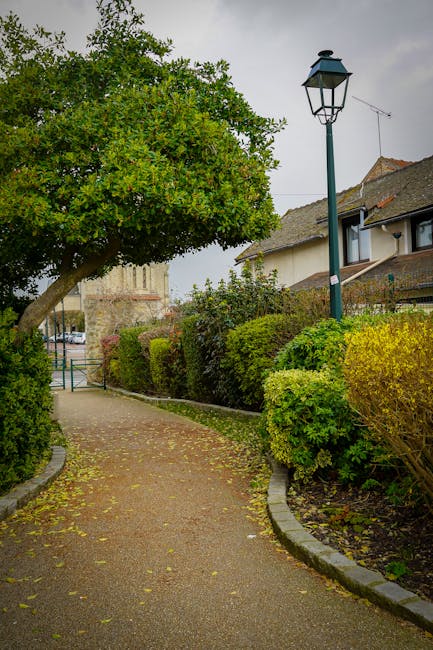
Willesden Green gardeners near Willesden High Road: a practical local guide
If you live or run a property near Willesden High Road, you already know the rhythm of the area. Front gardens can be small but fussy, rear spaces can be tucked away behind terraces, and shared access is often tighter than you'd like. That is exactly why finding Willesden Green gardeners near Willesden High Road is a different decision from hiring a general gardening service anywhere in London. Local knowledge matters. So does reliability, clear pricing, and a team that understands how to work neatly around foot traffic, parking, neighbours, and the usual day-to-day squeeze of a busy North West London street.
This guide walks you through what local gardening support typically includes, how to judge quality, what to ask before booking, and where the real value comes from. Whether you need a one-off tidy-up, regular maintenance, or help getting an overgrown space back under control, the aim here is simple: help you make a better decision, with less hassle and more confidence.
Table of Contents
- Why Willesden Green gardeners near Willesden High Road matters
- How Willesden Green gardeners near Willesden High Road works
- Key benefits and practical advantages
- Who this is for and when it makes sense
- Step-by-step guidance
- Expert tips for better results
- Common mistakes to avoid
- Tools, resources and recommendations
- Law, compliance, standards, or best practice
- Options, methods, or comparison table
- Case study or real-world example
- Practical checklist
- Conclusion
- Frequently asked questions
Why Willesden Green gardeners near Willesden High Road Matters
Local gardening support matters because gardens near a busy high road face a very specific set of conditions. There is dust from passing traffic, irregular shade from surrounding buildings, and often a mix of compact front plots, side returns, and larger back gardens with awkward access. In other words, the job is rarely just "cut the grass and leave." It is usually about keeping a space healthy, tidy, and manageable over time.
Near Willesden High Road, speed and presentation also matter. A front garden can shape how a home feels from the pavement, and for small businesses or rented properties, that first impression counts. A neat hedge, a healthy lawn, and weed control around edges can make a property feel cared for without looking overworked. Truth be told, most people notice when a garden is neglected before they notice when it is perfect. Bit harsh, but true.
There is also a practical side. London gardens often need consistent maintenance rather than occasional rescue work. Letting brambles, bindweed, ivy, and self-seeded growth take hold can turn a straightforward tidy into a much bigger project. Local gardeners who know the pace of the area can spot these problems early and deal with them before they snowball.
If you are comparing providers, it helps to look beyond just "gardening" as a label. A good local team should be able to explain their garden maintenance services in plain English, and they should be able to tell you what is realistic for your plot, not just what sounds impressive on paper.
How Willesden Green gardeners near Willesden High Road Works
In practical terms, local gardening support usually starts with understanding the site. That might be a quick phone conversation, photos sent by message, or a visit for a quote if the garden is larger or more complex. The gardener then assesses what is needed: mowing, edging, pruning, hedge cutting, weed removal, leaf clearance, planting, or a full tidy-up.
For homes near Willesden High Road, access is often part of the conversation. Is there parking nearby? Can equipment be brought through a shared hallway or side gate? Are there pets in the garden? Are there neighbours to keep in mind if work starts early? These details sound small, but they can affect the job quite a bit.
Once the scope is agreed, the work is usually carried out in a sensible order. Rough growth comes first, then finer shaping, then clearing up. A decent gardener should not leave you with a neat lawn and a pile of debris in the corner, which, let's face it, happens more than it should. Good finish matters.
Professional services often include disposal of green waste too. You may want to ask how that is handled and whether recycling is part of the approach. A responsible provider will usually have a clear view on reuse, composting, and disposal standards, and may reference a recycling and sustainability approach where relevant.
For customers who want reassurance on standards, it is sensible to check the company's health and safety policy and insurance and safety information. Those pages tell you a lot about how seriously the business treats site work, tools, and risk.
Key Benefits and Practical Advantages
The biggest benefit is obvious: your garden stays under control. But the real value is broader than that. Regular local gardening support can improve the look, usability, and long-term condition of a property in ways that are easy to overlook until they're gone.
- Better curb appeal: A tidy front garden near the High Road can make a property feel brighter, calmer, and more welcoming.
- Less stress: You do not have to fit heavy garden work around your own weekend plans or buy tools you may use only twice a year.
- Healthier growth: Consistent care usually works better than occasional drastic cuts, especially for hedges and shrubs.
- Faster turnaround: A local gardener can often respond more quickly than a provider travelling from further out.
- Safer, cleaner spaces: Regular maintenance reduces slip risks from moss, leaf build-up, and overgrown paths.
- More predictable costs: Ongoing care often prevents larger, more expensive catch-up jobs later on.
There is also a less visible advantage: good local gardeners understand what tends to work in this part of London. That includes dealing with shaded corners, compact planting beds, and the reality of summer growth bursts after a few warm, wet weeks. You know the kind of week. One minute the garden looks fine, the next it feels like it has doubled in size overnight.
For many customers, the time saved is the real win. A two-hour job in the garden can easily swallow an entire afternoon once you factor in clearing, bagging, tool handling, and the extra sweep-up at the end. A reliable service keeps that from becoming your problem.
If you are trying to understand the value side, a good place to start is the provider's pricing and quotes information. Clear pricing does not just help with budgeting; it usually tells you whether the business is organised and transparent.
Who This Is For and When It Makes Sense
This kind of local gardening support suits a wide mix of people. Not everyone needs a full landscape redesign. Sometimes all you need is a tidy, steady hand and someone who can keep things from getting out of control.
- Homeowners who want regular maintenance without buying equipment or spending their weekends on upkeep.
- Tenants who need the outdoor space kept reasonable and presentable, especially where a landlord expects basic care.
- Landlords and letting agents who need a property to look cared for between tenancies or during periodic inspections.
- Small businesses with a frontage, courtyard, or side area that benefits from a clean, professional look.
- Older residents or busy families who prefer safe, managed support for heavier or more awkward tasks.
- Anyone facing a backlog after holiday time, bad weather, or a period when the garden has simply been left alone. Happens to all of us.
It makes the most sense when the work is recurring or physically demanding. If your lawn is overgrown every six weeks, or the hedge keeps growing into the path, a scheduled service is usually better than one-off scramble work. On the other hand, if you only need a quick seasonal tidy or a spring reset, a single visit may be enough.
A practical rule of thumb: if you keep saying, "I'll get to that next weekend," for more than a month, it may already be time to call in help.
Step-by-Step Guidance
If you are booking gardening help for the first time, a simple process keeps things calm and avoids misunderstanding. Here is a sensible way to handle it.
- Walk through the space. Note what actually needs doing. Mowing? Hedge trimming? Weed removal? Waste clearance? Be honest about the mess. No judgement, just facts.
- Take a few clear photos. Front, back, side access, and any awkward areas. This saves time and helps the gardener quote more accurately.
- Decide what outcome you want. Are you after a one-off tidy, a full clean-up, or a regular maintenance plan?
- Ask what is included. Always clarify mowing height, edging, pruning limits, waste removal, and whether disposal is part of the price.
- Check practical details. Access, parking, water supply if needed, pets, and any neighbour sensitivities.
- Review trust and safety information. A serious provider should have clear information on safety, handling, and coverage. Their health and safety guidance and insurance details should be easy to find.
- Confirm the price and timing. Ask if the quote is fixed or estimated, and whether timing depends on weather or access.
- Prep the garden lightly. Move small items, unlock gates, and clear toys, hoses, or loose pots if possible. It speeds things up, which is always nice.
- After the visit, inspect the finish. Look at edges, paths, gate areas, and waste removal. A proper job should feel tidy all round, not just from one angle.
If you are booking through a reputable local company, you may also want to review how they handle customer support and disputes. That sounds dry, but it matters. A clear complaints procedure tells you the business is prepared to be accountable if something does not go as planned.
Expert Tips for Better Results
There are a few small habits that make a noticeable difference. Nothing dramatic. Just the sort of things that separate a decent garden from one that stays consistently presentable.
1. Keep maintenance regular rather than heroic
To be fair, most garden problems grow quietly. A hedge goes a bit wide. Weeds find the gaps. Moss settles in the shade. Then suddenly the space needs a bigger intervention than planned. Regular attention prevents that cycle.
2. Be specific about the finish you want
Some people like a crisp, clipped look. Others want a more natural style. Say so upfront. A gardener can work to either brief, but only if they know what you are aiming for. "Just tidy it up" is fine, but "keep the shrubs soft and natural, and make the edges neat" is better.
3. Ask about waste handling early
Green waste can be a nuisance if nobody has planned for it. A good service should explain whether clippings, branches, and bulky material will be removed, composted, or bagged for collection. This is especially useful after a big clear-up.
4. Think about seasonal timing
Spring and early summer often bring rapid growth, while autumn creates leaf and debris build-up. If you can schedule before those peaks, you may avoid the worst of the backlog. Late morning can also be a better slot in colder months, simply because wet grass and frosty paths are less pleasant to work on.
5. Look for simple communication
The best local gardeners do not hide behind vague language. They explain what they will do, how long it should take, and what may change if the site condition is different from expected. That plain-spoken approach is often a stronger sign of professionalism than flashy promises.
Expert summary: The best results usually come from a clear brief, regular upkeep, and a provider that treats your garden like a real working site, not a rushed afterthought.
Common Mistakes to Avoid
A lot of dissatisfaction with garden services comes from mismatched expectations, not necessarily poor workmanship. Here are the traps that come up most often.
- Choosing only by price. The cheapest quote can be fine sometimes, but if it excludes waste removal or takes no account of access, it can become expensive in the end.
- Not defining the job. If you do not explain what needs doing, the result may technically be "done" but not actually what you wanted.
- Ignoring site access. Tight side passages, shared gates, and parking issues can all affect the job length and cost.
- Expecting every gardener to do everything. Some are focused on maintenance, some on clearance, and some on planting or shaping. A provider's service range should tell you where they sit.
- Leaving the garden unprepared. Small obstacles slow work down. It is a minor thing, but it adds up.
- Forgetting follow-up care. A one-off tidy can look great for a week or two, then the garden quickly returns to its old habits if nothing else changes.
One more thing: do not assume a "quick job" is actually quick just because it looks small. A compact garden can still be full of fiddly edges, stubborn roots, and awkward corners. Gardens have a funny way of hiding work in plain sight.
Tools, Resources and Recommendations
You do not need to become a gardener yourself to make a smart choice, but a little basic knowledge helps. Knowing the difference between a maintenance cut and a recovery cut, for instance, can stop a lot of confusion.
Useful tools and service elements
- Grass cutting equipment: For regular lawns, this is the core of the job, especially in spring and early summer.
- Trimmers and edging tools: These sharpen borders and help paths look properly finished.
- Secateurs and loppers: Handy for deadheading, small pruning tasks, and cutting back manageable growth.
- Waste sacks or removal systems: Important if the garden produces a lot of clippings or cuttings.
- Protective gear: Gloves, eye protection, sturdy footwear, and appropriate handling practices.
Recommended resources to review before booking
For a better customer experience, it is worth looking at a few support pages as well as the services themselves. These are not exciting pages, granted, but they tell you a lot about the business behind the work. Helpful examples include the pricing and quotes page, the payment and security information, and the site's accessibility statement if you need confidence around clear communication and usability.
If sustainability matters to you, ask how clippings and garden waste are handled. A good local provider should be able to explain its approach clearly, and the recycling and sustainability page is a useful signpost for that conversation.
Law, Compliance, Standards, or Best Practice
Garden maintenance is not usually a heavily regulated service in the way some trades are, but that does not mean standards do not matter. Far from it. The basics are still important: safe working practices, proper insurance, honest pricing, and respectful conduct on site.
In the UK, customers should expect a provider to take reasonable care around tools, lifting, electrical equipment if used, and safe movement through the property. If work involves ladders, cutting equipment, or debris handling, it is sensible for the business to have clear internal procedures rather than relying on guesswork. That is where a transparent health and safety policy becomes genuinely useful, not just a box-ticking page.
Insurance is another major trust signal. You would not want a service turning up without suitable cover, especially if there is a risk of accidental damage to surfaces, fences, windows, or shared access areas. Ask if the company is insured and whether its approach to safety is documented. Straight answer, no drama.
There are also broader business standards that matter to people who care about trust and ethics. For example, a published modern slavery statement can help show that the company takes responsible business practice seriously. Likewise, clear pages on payment and security and complaint handling show that the business has thought beyond the job itself.
For customers with accessibility needs, communication should be straightforward and easy to follow. If a service is hard to navigate or unclear about contact methods, that is worth noticing. A strong provider should make the whole process feel manageable.
Options, Methods, or Comparison Table
Not every garden needs the same approach. The best choice depends on condition, budget, and how much of the work you want to handle yourself. Here is a simple comparison.
| Option | Best for | Pros | Trade-offs |
|---|---|---|---|
| One-off tidy-up | Overgrown or neglected gardens | Fast reset, useful before photos, lettings, or events | Can look great temporarily if not followed by maintenance |
| Regular maintenance | Busy households and front gardens | Predictable, keeps growth under control, often easier to budget for | Needs scheduling and a little consistency |
| Seasonal visits | Low-use gardens or budget-conscious owners | Good for spring and autumn clean-ups | Growth may get away between visits |
| DIY plus occasional help | People who like some hands-on care | More control, lower routine cost | Still leaves the heavy lifting, waste, and awkward jobs |
If you are unsure which route to take, start with a quote for the job as it stands now. Then ask what it would cost to keep it tidy over time. That comparison often makes the decision much clearer.
Case Study or Real-World Example
Here is a realistic example. A small terraced property near Willesden High Road had a front garden that had become patchy and untidy after a wet spell. The lawn was long, the edging had disappeared, and weeds had started to spread around the path. Nothing dramatic. Just the kind of everyday mess that slowly drags a property down.
The owner did not want a full redesign. They wanted the space back under control with minimal fuss. A local gardening visit focused on mowing, edging, weed removal, and clearing the cuttings. The back garden, which had a narrow access point, needed a little more care because bags had to be moved through a tight side passage. That's where local experience helped: the team planned the order of work so the site stayed manageable rather than cluttered.
The result was simple but noticeable. The front of the house looked sharper from the pavement, the path felt safer, and the owner could see what the garden actually was again, not just what it had become. A follow-up maintenance visit was then easier to schedule because the hard reset had already happened.
That is usually how good local gardening support works in practice. Not magic. Just solid, sensible improvement.
Practical Checklist
Before you book, run through this quick checklist. It will save you time and probably a little back-and-forth too.
- Is the area you want maintained clearly defined?
- Have you taken photos of the garden from a few angles?
- Do you know whether you need a one-off visit or regular maintenance?
- Have you asked what the quote includes and excludes?
- Is waste removal covered or separate?
- Have you checked access, parking, and gate details?
- Are pets, neighbours, or noise-sensitive times a factor?
- Have you reviewed the provider's safety and insurance information?
- Do you know how payment works and when it is due?
- Have you asked what happens if weather or access affects the booking?
Quick reminder: the best gardeners are not just the ones with the right tools. They are the ones who communicate clearly and leave you feeling relaxed about the whole thing.
Conclusion
Choosing Willesden Green gardeners near Willesden High Road is really about choosing peace of mind. You want someone local enough to understand the area, practical enough to handle real-world access issues, and professional enough to give you clear expectations from the start. That combination is what keeps a garden manageable without turning the process into a headache.
If you focus on clear scope, transparent pricing, sensible safety standards, and regular upkeep where needed, you will usually end up with a better result and less stress. And that matters, especially in a busy part of London where outdoor space should feel like a relief, not another job on the list.
Get a free quote today and see how much you can save.
Sometimes the smallest bit of care makes the whole place feel lighter. A tidy border, a clean path, a lawn that looks looked after - it all adds up.
Frequently Asked Questions
What do Willesden Green gardeners near Willesden High Road usually do?
They typically handle routine garden maintenance such as mowing, edging, hedge trimming, weeding, pruning, leaf clearance, and general tidy-ups. Some also offer waste removal and seasonal clear-outs. The exact service depends on the provider and the condition of the garden.
How do I know if I need a one-off visit or regular garden maintenance?
If the garden is currently overgrown or messy, a one-off visit may be the best starting point. If growth keeps coming back quickly, or the space is a front garden that you want to keep neat all the time, regular maintenance is usually better value.
Are local gardeners near Willesden High Road suitable for small gardens?
Yes. In fact, small gardens often benefit the most from local care because the work is usually more frequent and access can be awkward. A good gardener will know how to work efficiently without disturbing neighbours or damaging compact planting areas.
What should be included in a garden quote?
A proper quote should explain what work will be carried out, whether waste removal is included, any likely limits on the job, and whether the price is fixed or estimated. If anything is unclear, ask before booking.
Do gardeners remove green waste?
Many do, but not all include it as standard. It is best to confirm in advance, especially after a large clear-up. Waste handling is one of those details that looks minor until bags of clippings are sitting by the gate.
How often should a front garden be maintained?
That depends on the planting and season, but many front gardens near busy roads benefit from fortnightly or monthly attention during the growing season. Smaller, lower-maintenance spaces may only need seasonal visits.
What should I ask about safety and insurance?
Ask whether the provider has suitable insurance and how they manage on-site safety, tool handling, and access issues. Reputable businesses should be able to explain this clearly and point you to their published policy information if needed.
Can gardeners help with overgrown gardens?
Yes, but it is worth explaining the condition of the space before they arrive. Overgrown gardens can take more time and may need a staged approach. A good gardener will tell you what is realistic in one visit and what might need follow-up.
How do I compare local gardening services fairly?
Compare the scope of work, waste removal, communication, safety standards, and clarity of pricing rather than price alone. A slightly higher quote can be better value if it includes more of the work and avoids surprises later.
What if I am not happy with the work?
You should contact the provider promptly and explain what is wrong. A company with a clear complaints process is usually easier to work with because it gives you a sensible route to raise concerns and resolve them properly.
Do local gardeners near Willesden Green work with landlords and letting agents?
Yes, many do. Landlords and agents often need reliable maintenance between tenancies or before viewings, and a local team can usually respond faster than a provider based further away.
Is sustainability important in garden maintenance?
It can be, especially if you want clippings reused, waste handled responsibly, and fewer unnecessary trips. Many customers now prefer services that think carefully about disposal and recycling, not just speed.
How do I prepare my garden before the visit?
Move small furniture, toys, and hoses if you can, unlock gates, and make access as straightforward as possible. A little preparation helps the job run more smoothly and can sometimes reduce the time needed on site.