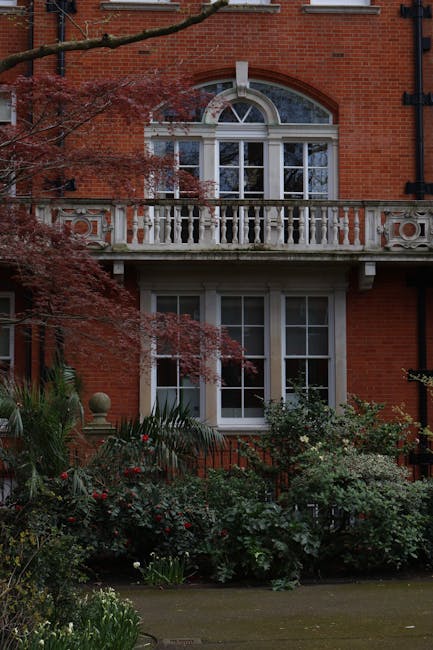
NW10 Gardeners for Estate Garden Maintenance in Willesden
If you manage or live on an estate in Willesden, you already know the difference a well-kept garden makes. It is not just about neat lawns and tidy borders. It is about how the whole place feels when you step outside in the morning: safer, calmer, more cared for. That is where NW10 gardeners for estate garden maintenance in Willesden come in. They help keep shared outdoor spaces looking consistent, usable, and on top of the seasonal mess that London weather loves to throw at you.
Estate gardens are a different beast from a single private garden. There are more users, more foot traffic, more wear and tear, and usually less room for things to go wrong quietly. A missed hedge cut or a patch of moss on a path might seem small at first, but on a shared estate it tends to spread quickly. This guide explains how estate garden maintenance works in practical terms, what to expect from a reliable local gardener, and how to choose the right approach for your block, estate, or managed residential site in Willesden.
To make this useful, we will cover routine upkeep, seasonal tasks, compliance and safety, common mistakes, and how to judge whether a service is actually doing the job properly. You will also find a checklist and a simple comparison table, because let's face it, nobody needs another vague garden article that tells you to "keep things tidy" and calls it advice.
Table of Contents
- Why NW10 gardeners for estate garden maintenance in Willesden Matters
- How NW10 gardeners for estate garden maintenance in Willesden Works
- Key Benefits and Practical Advantages
- Who This Is For and When It Makes Sense
- Step-by-Step Guidance
- Expert Tips for Better Results
- Common Mistakes to Avoid
- Tools, Resources and Recommendations
- Law, Compliance, Standards, or Best Practice
- Options, Methods, or Comparison Table
- Case Study or Real-World Example
- Practical Checklist
- Conclusion
- Frequently Asked Questions
Why NW10 gardeners for estate garden maintenance in Willesden Matters
Estate gardens do more than make a place look pleasant. They shape first impressions, influence how residents use shared space, and affect how long the planting and hard landscaping last. In a busy area like Willesden, where many estates have compact communal courtyards, boundary planting, access paths, and small grassed areas, regular maintenance is what keeps the space functional rather than forgotten.
The local context matters too. NW10 gardens deal with a mix of shade, compacted soil, pollution, wind tunnel effects between buildings, and heavy use from residents, visitors, and delivery traffic. The result? Grass struggles, shrubs get leggy, weeds show up fast, and leaf build-up becomes a real job rather than a once-in-a-while tidy-up. A local gardener who understands estate conditions can spot these issues early and act before they become more expensive to fix.
There is also a social side to it. Shared outdoor space can lift the mood of an estate when it is maintained well. It can also create tension when one area looks neglected while another is clipped to perfection. A good maintenance plan gives consistency. That consistency is what tenants, leaseholders, and visitors usually notice, even if they do not say it out loud.
Expert summary: Estate garden maintenance is less about one-off gardening jobs and more about steady, reliable care across shared spaces. The best results come from a routine that balances presentation, plant health, safety, and practical budget control.
If you are also comparing broader outdoor services, it can help to look at related support such as garden maintenance services, hedge cutting and shaping, or a wider grounds maintenance approach for larger shared sites.
How NW10 gardeners for estate garden maintenance in Willesden Works
Good estate maintenance usually starts with a site walk. That sounds simple, but it is the part that makes everything else work. A gardener or maintenance team looks at the layout, plant conditions, access routes, rubbish hotspots, watering needs, and any recurring problems such as moss, broken edging, or overgrown planting near entrances.
From there, the work is normally split into routine tasks and seasonal tasks. Routine work is the steady stuff: mowing where grass exists, edging, weeding, sweeping paths, trimming shrubs, deadheading flowers, checking bins around communal spaces, and keeping visibility clear around entrances. Seasonal work is the heavier lifting: pruning, leaf clearance, mulching, replanting tired areas, scarifying lawns, and preparing beds for winter or spring.
For estate settings, communication matters almost as much as the gardening. Residents need to know when work will happen, especially if machinery is involved or access is shared. A sensible contractor will usually work around peak movement times, keep noise in mind, and avoid leaving cuttings or debris behind. Sounds obvious, but you would be surprised how often that bit is skipped.
The best estate garden maintenance services in NW10 also keep records. Not fancy paperwork for the sake of it. Just enough to track visit dates, completed jobs, and any issues that need follow-up. That makes it easier for managing agents, housing officers, or resident committees to make decisions without guessing what has actually been done.
For owners and managers who need more than garden upkeep, it can be useful to pair this with tree pruning and care or professional lawn care when trees and turf need specialist attention rather than a basic cut-and-collect visit.
Key Benefits and Practical Advantages
There are the obvious benefits, and then there are the ones people only notice after a few months. A maintained estate garden does not just look better; it tends to function better and cost less to recover from neglect.
- Better kerb appeal: Shared gardens and entrances look more cared for, which matters for residents and visitors alike.
- Safer access: Clear paths, cut back growth, and removed trip hazards reduce everyday risks.
- Healthier planting: Regular pruning, feeding, and soil care help shrubs and beds recover more easily.
- More consistent standards: A routine schedule avoids the boom-and-bust cycle of overgrowth followed by emergency clearances.
- Less resident frustration: People are generally happier when shared spaces feel looked after, even if they never say it directly.
- Reduced long-term costs: Early intervention is usually cheaper than restoring a badly neglected area.
There is also a practical maintenance benefit that often gets overlooked: healthy, regularly managed gardens are easier to inspect. If there is damaged paving, drainage trouble, dead planting, or vandalism, it is much easier to spot when the site is not buried under weeds and clutter.
In our experience, that visibility alone can save a lot of back-and-forth between contractors and estate managers. One quick look after a storm can reveal broken branches, blocked gullies, or a lawn area that has turned waterlogged. Catch it early and it is a manageable fix. Leave it, and it turns into a bigger headache.
Who This Is For and When It Makes Sense
Estate garden maintenance in Willesden is relevant to more people than you might think. It is not just for big housing estates with formal grounds. It can be just as important for smaller managed developments, apartment blocks with shared courtyards, retirement schemes, council-managed spaces, and mixed-use residential sites where greenery sits close to walkways and entrances.
This service makes sense when you have one or more of the following:
- shared lawn, shrub, or planting areas
- regular resident complaints about untidy grounds
- high foot traffic through communal spaces
- recurring weed growth or moss on paths
- hedges or trees affecting light, access, or visibility
- seasonal leaf fall that residents cannot keep up with
- budget pressure to keep maintenance predictable rather than reactive
It also makes sense if you are dealing with handover issues after contractor changes. New site managers often inherit gardens that have not been maintained to a clear standard. That is when a proper reset helps. Not a "quick tidy." A reset. There is a difference.
For estate managers in NW10, it can be useful to build a wider property care plan, especially if the site also needs pressure washing for communal surfaces or fencing and boundary repairs. Gardens and hard landscaping tend to age together, so they are best managed together.
Step-by-Step Guidance
If you are organising estate garden maintenance for the first time, it helps to break the job into manageable parts. The process is less intimidating than it looks.
- Assess the site honestly. Walk the estate and note what is actually there: grass, beds, hedges, trees, paths, planters, and any problem areas.
- Decide what "good" looks like. A formal ornamental estate needs a different standard from a relaxed courtyard. Be clear on the finish you want.
- Set frequencies for each task. Grass may need weekly attention in peak growing season, while pruning and deep weeding may only be monthly or seasonal.
- Prioritise safety and access. Keep entrances, footpaths, fire routes, and visibility lines clear before tackling purely aesthetic work.
- Agree how waste will be handled. Green waste removal, bagging, and loading should be confirmed in advance so nothing is left behind.
- Build a simple inspection routine. Check results after visits, especially during the first few months.
- Review and adjust. If the site changes with the seasons, the schedule should change too. No shame in that. Gardens are living things, after all.
A realistic estate schedule often includes a mix of frequent light visits and occasional deeper work. That is usually better than sending a crew only when things look bad. If the garden is allowed to get messy for too long, the job becomes harder, noisier, and more disruptive to residents. Nobody really wants that on a Tuesday morning.
It can also help to start with a one-off tidy-up or restoration visit if the site is badly overgrown. Once the space is reset, routine maintenance becomes much more efficient. For additional support beyond gardens, some sites also combine this with seasonal tidy-up services so the whole estate feels reset at the same time.
Expert Tips for Better Results
After a while, you start to notice that the best-maintained estates are not always the most expensive ones. They are usually the ones with clear priorities and a steady rhythm. A few small choices make a big difference.
- Focus on edges first. Crisp path edges, bed edges, and hedge lines make an estate look cared for even before the bigger jobs are finished.
- Do less, but do it regularly. Frequent light maintenance is often more effective than occasional heavy work.
- Watch for recurring trouble spots. Bin stores, shaded corners, and areas near downpipes usually need extra attention.
- Choose plants that suit the site. Tough, low-maintenance planting is often wiser than high-drama ornamentals that need constant rescue.
- Keep a seasonal calendar. Leaf fall, spring growth, and summer watering all require different responses.
- Check drainage after heavy rain. Even a little standing water can signal a bigger issue under the surface.
One practical point that gets missed: if residents constantly cut across planted areas, the maintenance problem may not be the planting itself. It may be the route. Sometimes a gravel path, low barrier, or simple sign is worth more than another bed of plants that people keep trampling anyway.
And yes, lawn care matters too. A patchy lawn on an estate is often the result of compaction, shade, poor watering, or repeated use. A good gardener does not just cut it and move on. They look at why it is struggling in the first place.
Common Mistakes to Avoid
Estate garden maintenance goes wrong in predictable ways. The good news is that most of them are avoidable if you know what to look for.
- Only booking reactive visits: Waiting until the garden is overgrown makes the work harder and more disruptive.
- Ignoring the site layout: A beautiful planting scheme means little if access routes are blocked or awkward.
- Using the same schedule year-round: Plants do not grow at a fixed pace, especially in London weather.
- Forgetting waste removal: Cuttings left on site make a tidy job look unfinished.
- Choosing price alone: The cheapest quote can become expensive if the work is rushed or incomplete.
- Skipping inspections: Small issues like broken stakes, dead shrubs, or moss patches become bigger if no one checks them.
Another quiet mistake is expecting the gardener to guess your standards. One manager wants a very trimmed, formal look; another prefers a softer, more natural style. If that is not discussed, you can end up with perfectly good work that still feels wrong. Frustrating, but avoidable.
Be clear about what matters most: appearance, safety, biodiversity, low cost, or low disruption. Usually it is a mix, but one priority should lead the rest.
Tools, Resources and Recommendations
Different estates need different equipment, but most reliable maintenance teams use a practical core of tools rather than trying to do everything with one machine. For shared sites, efficiency and tidiness matter as much as power.
| Task | Typical tools or methods | Why it matters on estates |
|---|---|---|
| Grass cutting | Commercial mower, strimmer, edging tools | Keeps lawns neat and reduces uneven wear |
| Weeding and bed care | Hand tools, mulch, targeted weed control where appropriate | Protects planting without disturbing residents |
| Hedge and shrub maintenance | Hedge trimmers, secateurs, pruning saws | Maintains shape, light, and access |
| Leaf clearance | Blowers, rakes, collection bags | Reduces slip risks and blocked drains |
| Waste removal | Green waste sacks, load transport, disposal planning | Prevents leftover debris and complaints |
For more complex sites, it helps to use a contractor who also understands commercial gardening and broader estate management support. That usually means better coordination between grounds work, access, cleaning, and wider site upkeep.
If you are building a long-term maintenance plan, ask for a seasonal schedule, a task list, and a clear point of contact. The paperwork does not need to be fancy. It just needs to be usable. A lot of confusion disappears when everyone is looking at the same plan.
Law, Compliance, Standards, or Best Practice
For estate garden maintenance, compliance is usually less about one single rule and more about sensible duty of care. Shared spaces should be maintained in a way that reduces avoidable hazards and respects residents, workers, and visitors.
In practice, this means a few common-sense standards should be in place:
- paths and entrances should be kept reasonably clear
- work should be carried out with appropriate safety precautions
- waste should be removed or stored safely
- tools and machinery should be used by trained, competent people
- pruning and tree work should be approached carefully, especially near access routes or communal areas
If your estate includes trees, larger shrubs, or work near roads, buildings, or shared walkways, it is sensible to ask whether the contractor follows recognised industry practices and whether specialist jobs are being handled by suitably experienced staff. That is not being fussy. That is just good management.
You may also need to consider resident communication, access arrangements, and noise management. In busy parts of NW10, a quiet, well-planned visit is often appreciated more than a large crew turning up without warning at half past seven. To be fair, nobody likes that.
For sites with mixed outdoor surfaces, a broader maintenance plan can help with weed control and garden clearance, especially if the estate has areas that get neglected between visits.
Options, Methods, or Comparison Table
Not every estate needs the same kind of service. Some sites are better served by regular light maintenance, while others need a one-off restoration before routine work starts. Here is a simple comparison to help you think it through.
| Approach | Best for | Pros | Watch-outs |
|---|---|---|---|
| Weekly or fortnightly maintenance | Active estates with visible shared gardens | Consistent appearance, fewer overgrowth problems | Needs regular budget and clear scheduling |
| Seasonal visits | Smaller sites or lower-traffic estates | Lower cost, useful for leaf fall and pruning periods | Can allow weeds and grass to slip between visits |
| One-off clearance then maintenance | Neglected or transferred estates | Resets the site, makes future upkeep easier | Needs follow-up or the problem returns |
| Full grounds and garden package | Larger managed estates and mixed-use developments | One coordinated plan for multiple outdoor areas | Requires stronger oversight and a clear scope |
In many cases, the most sensible model is a blended one: regular light maintenance with heavier seasonal works scheduled in advance. That keeps the estate looking presentable without overstretching the budget. It is also easier for residents to live with. Less disruption, fewer surprises.
Case Study or Real-World Example
Imagine a mid-sized residential estate in Willesden with a central grassed area, several shrub beds, and paths linking the blocks. The garden has not been neglected completely, but it has drifted. Hedges are uneven, the lawn is thinning in one corner, and leaves collect by the bin store every autumn.
A sensible maintenance reset would start with a clearance visit. The team would remove debris, cut back overgrowth, edge the paths, and trim shrubs to restore shape and access. Next comes the ongoing plan: regular mowing during the growing season, light weeding, seasonal leaf clearance, and occasional pruning where needed. If the lawn is weak, the maintenance team may recommend aeration, feeding, or re-seeding in the right season rather than repeatedly mowing a tired surface into the ground.
What changes most is not just the appearance. Residents stop weaving around overgrown branches. Bin access improves. The place feels more intentional. And, perhaps surprisingly, people complain less because there is less to complain about. Simple, but real.
That kind of result usually comes from a contractor who understands both the gardening and the estate environment. If you want a wider service relationship, it can help to explore residential gardening support alongside ongoing communal care.
Practical Checklist
Use this checklist when reviewing an estate maintenance plan or speaking to a local gardener.
- Have all shared garden areas been identified clearly?
- Is there a maintenance frequency for each area?
- Are waste removal and site clean-up included?
- Do paths, entrances, and sightlines get priority?
- Is there a seasonal plan for leaf fall, pruning, and spring growth?
- Are problem areas such as shaded corners, drains, and bin stores included?
- Has the contractor explained how they handle access and resident disruption?
- Is the team experienced with shared or commercial-style outdoor spaces?
- Are photos, notes, or visit records available when needed?
- Is there a clear contact for issues or extra work requests?
If you can answer most of those with confidence, you are probably in decent shape. If not, there is room to tighten things up before small issues become bigger ones. Happens all the time, honestly.
Get a free quote today and see how much you can save.
Conclusion
Choosing NW10 gardeners for estate garden maintenance in Willesden is really about protecting the quality, safety, and everyday feel of shared outdoor space. Done well, it keeps the estate looking cared for without constant firefighting. It also makes life easier for managers and more pleasant for residents, which is the bit people remember.
The strongest maintenance plans are simple, steady, and realistic. They are built around the site as it actually is, not as someone hoped it would be. If you get the frequency right, communicate clearly, and keep an eye on seasonal changes, the garden has a much better chance of staying healthy and welcoming all year round.
And truth be told, that calm, tidy, well-kept feeling outside your door can make a place feel more like home than any brochure ever could.
Frequently Asked Questions
What do NW10 gardeners for estate garden maintenance in Willesden usually include?
It usually includes lawn care, hedge trimming, weed control, planting bed upkeep, leaf clearance, pruning, path edging, and waste removal. Larger estates may also need seasonal planting, shrub renovation, and occasional site tidying.
How often should estate gardens in Willesden be maintained?
That depends on the size of the site, the amount of planting, and how much foot traffic there is. Many estates benefit from weekly or fortnightly visits during the growing season, then slightly less frequent attention in quieter months.
Is estate garden maintenance different from regular domestic gardening?
Yes. Estate work usually involves shared spaces, more users, stricter access needs, and a stronger focus on consistency and safety. It often requires better planning, more communication, and a more commercial-style approach.
What should I ask before hiring a gardener for an estate?
Ask what is included, how often visits will happen, how waste is handled, whether they have experience with communal sites, and how they manage resident access or disruption. A clear scope prevents misunderstandings later.
Can one-off clearance work help before setting up regular maintenance?
Yes, and often it is the best place to start. A neglected estate may need a one-off clearance to reset the site before a routine maintenance schedule can work properly.
Do estate gardeners also handle trees and larger shrubs?
Often they do, but larger or more technical tree work may need specialist attention. It is sensible to ask whether the contractor handles pruning in-house or brings in a suitable specialist when needed.
How do I know if the maintenance standard is good enough?
Look for consistency. Paths should stay clear, edges should be neat, weeds should not be left to spread, and cuttings should be removed. If the estate looks tidy only immediately after a visit, the maintenance may not be strong enough.
Are there compliance issues to think about on communal gardens?
Yes, mainly around safety, access, waste handling, and using competent people for the work. Estate managers should also think about resident communication and avoiding avoidable hazards in shared areas.
What is the best time of year for garden improvements on an estate?
Spring and early autumn are usually the best windows for many planting and lawn improvements. That said, each site is different, and the right timing depends on what needs fixing and how the garden is used.
How can I keep costs under control without letting the site slide?
The best way is to keep maintenance regular and targeted. Small jobs done frequently usually cost less than emergency clearances. It also helps to prioritise key areas like entrances, paths, and visible shared spaces first.
What if residents keep damaging the garden by using it as a shortcut?
That is common on estates. Sometimes the fix is as simple as better path design, low planting barriers, or clearer layout. If people keep taking the shortest route, the garden may need structural changes rather than more planting.
Can estate garden maintenance be combined with other services?
Yes, and that is often the most efficient option. Many sites combine garden care with hedge cutting, pressure washing, weed control, or minor grounds maintenance so the whole estate stays in better shape with less coordination hassle.