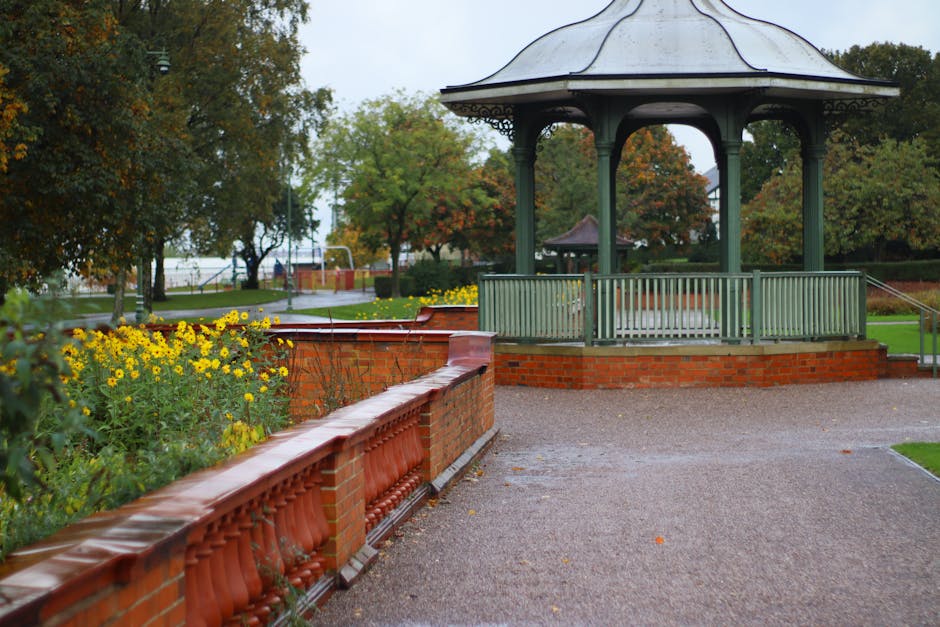
Gladstone Park gardeners serving Willesden homes: a practical guide for better outdoor spaces
If you live in Willesden and your garden is starting to feel a bit out of hand, you are not alone. One windy week, a wet spell, and suddenly the lawn is patchy, the borders are messy, and the patio has that stubborn green film that seems to appear overnight. Gladstone Park gardeners serving Willesden homes bring local knowledge, reliable timing, and practical care to exactly that kind of situation. They are there for the regular maintenance jobs, the seasonal resets, and the small fixes that make a garden feel lived-in rather than left behind.
This guide explains what local gardeners do, how the service typically works, what to expect, and how to choose the right help for your home. It also covers safety, pricing, best practice, and the little details that make a difference in real life. If you want a clearer picture before booking, you are in the right place.
For a wider look at available work, you can also browse the full range of gardening and lawn care services and check the team's pricing and quotes information when you are ready to compare options.
Table of Contents
- Why Gladstone Park gardeners serving Willesden homes Matters
- How Gladstone Park gardeners serving Willesden homes Works
- Key Benefits and Practical Advantages
- Who This Is For and When It Makes Sense
- Step-by-Step Guidance
- Expert Tips for Better Results
- Common Mistakes to Avoid
- Tools, Resources and Recommendations
- Law, Compliance, Standards, or Best Practice
- Options, Methods, or Comparison Table
- Case Study or Real-World Example
- Practical Checklist
- Conclusion
- Frequently Asked Questions
Why Gladstone Park gardeners serving Willesden homes Matters
At first glance, gardening might sound simple. Cut the grass, trim the hedges, sweep up. Done. But anyone who has looked at a garden after a few months without care knows it is rarely that tidy. Soil compacts, weeds creep in, edging disappears, and the whole space starts to feel more difficult than it should.
That is where local gardeners become genuinely useful. Gladstone Park gardeners serving Willesden homes understand the kinds of gardens common across the area: compact front gardens, small rear lawns, terraced house plots, shared access paths, and the kind of mixed-use outdoor spaces that need flexible care rather than a one-size-fits-all approach. To be fair, that local familiarity saves time. A lot of time.
There is also a practical side. Local scheduling is usually easier, weather changes can be managed more sensibly, and the service can be shaped around the rhythm of an actual household. Maybe you want fortnightly mowing through spring, then a lighter touch in summer. Or maybe you need one proper tidy-up before a family gathering. Different needs, different answers.
Another reason it matters is trust. When someone is working close to your home, around paths, gates, plants, children's play areas, or pets, you want clear communication and professional standards. That includes safe working methods, transparent pricing, and a straightforward way to ask questions. Pages like the insurance and safety information and the health and safety policy are worth reviewing because they tell you how seriously a provider treats the basics.
Expert summary: The best local garden care is not just about making a space look neat. It is about keeping the work predictable, safe, and suited to the way people actually live in their homes.
How Gladstone Park gardeners serving Willesden homes Works
The process is usually more straightforward than people expect. Most homeowners start with a quote or enquiry, explain the garden's size and condition, and share what they want done. That could be basic mowing, hedge trimming, border clearance, seasonal tidying, or regular maintenance. From there, the gardener works out the time, tools, and schedule needed.
In a typical visit, the work begins with a quick look at access, surfaces, and priorities. Which areas need immediate attention? Is there uneven ground? Are there fragile borders or ornaments to avoid? Any waste to bag and remove? Small details matter here, because they shape the quality of the job and help prevent avoidable damage. It sounds obvious, but you would be surprised how often the simplest step gets missed.
For many Willesden homes, service is best approached in stages:
- Initial assessment: What is the current condition of the garden, and what outcome do you want?
- Quotation: The work is priced based on the scope, access, and frequency.
- Scheduling: A suitable date or repeat plan is arranged.
- On-site work: Tasks are completed with the right tools and care.
- Waste handling: Cuttings, leaves, and debris are collected, sorted, or removed.
- Follow-up: Advice is given on what to keep on top of before the next visit.
If you prefer a broader service package rather than one-off tasks, the services overview can help you see how mowing, tidy-ups, and related work may fit together. That is often the easiest way to avoid paying separately for jobs that could have been bundled sensibly from the start.
Good gardeners also keep things clear on payment. A service that explains its process, including the payment and security approach, tends to be easier to deal with. Nobody enjoys awkward surprises after the job is done. Really, nobody.
Key Benefits and Practical Advantages
There are a few clear reasons people choose local garden professionals rather than trying to stay on top of everything themselves. The most obvious is time. A small urban garden can still demand a surprising amount of work, especially through the growing season.
Another benefit is consistency. Grass does not wait for a free Saturday. Hedges do not pause because work is busy. A regular local gardener helps keep the garden from drifting into that all-or-nothing cycle where everything gets done in a rush after weeks of neglect. Anyone who has spent a damp Sunday afternoon wrestling a mower through overgrown corners will know exactly what that feels like.
Other practical advantages include:
- Better presentation: Neat lawns, edged paths, and trimmed borders make a home feel cared for.
- Reduced plant stress: Proper seasonal care can help avoid accidental damage from hurried cutting.
- Safer outdoor spaces: Clear paths and tidy surfaces reduce trip hazards.
- Less waste build-up: Clippings and cuttings are handled properly rather than left to rot.
- Flexible support: Help can be tailored to one-off jobs or repeat maintenance.
There is also a quiet emotional benefit. A tidy garden changes how a home feels. Morning coffee on the patio feels easier. Children can play without stepping over a tangle of branches. Even a small courtyard looks more inviting with a bit of structure. It is not glamorous. It just works.
If sustainability matters to you, you may also appreciate a provider that thinks carefully about waste handling and greener practices. The recycling and sustainability information is useful for understanding how garden waste and materials are managed with less fuss and less unnecessary landfill where possible.
Who This Is For and When It Makes Sense
This kind of service suits a wide range of households, but it is especially useful if your garden is getting harder to manage on your own. Maybe your weekends are already full. Maybe you have a back issue and lifting bags of trimmings is not sensible. Or maybe you simply want the garden to look respectable without turning it into a second job.
It can make sense for:
- busy families who need regular maintenance
- older homeowners who want safer, lighter help
- landlords preparing a property for tenants or inspections
- new movers who inherited an overgrown outdoor space
- people hosting events, gatherings, or open-house visits
- anyone who wants a dependable seasonal tidy-up
There is also a timing question. When should you actually book? Usually sooner than later. If the lawn has gone uneven, the hedges are crowding paths, or weeds are taking hold at the edges, leaving it another month often makes the job bigger and more costly. Truth be told, gardens rarely sort themselves out.
Homeowners comparing providers may want to check what is included, how quickly a visit can be arranged, and whether the team has clear working standards. It is sensible to review a provider's insurance and safety details before the first appointment, especially if access is tight or the work involves tools near walls, steps, or shared entrances.
Step-by-Step Guidance
If you are booking garden help for the first time, a simple process keeps everything calm and clear.
1. Walk the garden first
Spend five minutes looking at the whole space. Note the lawn, borders, hedges, bins, side access, sheds, and any delicate planting. Take a couple of photos if the area is currently messy. They help you explain the job properly.
2. Decide what matters most
Do you need a full tidy-up, routine mowing, or a seasonal refresh? Be specific. "Make it presentable" is fine as a start, but "trim hedges, mow the lawn, clear the back border, and remove cuttings" is far better.
3. Ask for a clear quote
A proper quote should reflect the size of the job, access, and frequency. If you are unsure how the pricing works, the quotes and pricing page is a good place to begin. Clear pricing reduces awkwardness later. Simple as that.
4. Check practical details
Confirm arrival expectations, access instructions, parking considerations if needed, and whether waste is taken away. Small things, but they prevent half the hassle.
5. Let the gardener work through priorities
On the day, the best results usually come from tackling the garden in a sensible order: clear access first, then mow or cut, then edge, then tidy borders, then collect waste. The order matters more than people think.
6. Review the result while it is fresh
Walk around the garden at the end. Check edges, gates, corners, and any places you know tend to get missed. A good provider will welcome that. It is not being fussy. It is just finishing properly.
If a service arrangement is not right, a responsible provider should also have a clear way to raise concerns. That is why a visible complaints procedure can be reassuring. Most visits go smoothly, but it is good to know there is a sensible route if something needs correcting.
Expert Tips for Better Results
Over time, the difference between a decent garden and a really tidy one often comes down to small habits. Not big dramatic changes. Just little bits done consistently.
- Keep a fixed maintenance rhythm: Regular mowing and light trimming are easier than a full rescue every few months.
- Clear access before the visit: Move toys, bins, plant pots, and bikes if you can. It speeds everything up.
- Flag problem areas early: Uneven paving, hidden roots, slippery patches, or overhanging branches should be pointed out.
- Think seasonally: Spring and autumn often need different levels of care. A one-plan-fits-all approach rarely works.
- Leave room at the edges: Over-trimming around beds and borders can make a garden look harsh. A softer edge usually ages better.
- Ask about waste handling: Even a neat cut can feel unfinished if the clippings are left in piles.
One practical tip people miss: if your garden gets a lot of shade, the lawn may need gentler mowing and a different rhythm than a sun-baked patch. It is a small thing, but it can make the difference between a lawn that survives and one that always looks a bit tired.
Also, if a provider mentions process, safety, or accessibility, that is a good sign. For example, a straightforward accessibility statement can show that the business has thought about how people actually use its site and services, which usually goes hand in hand with better customer care. Not always, but often enough to matter.
Common Mistakes to Avoid
Gardening mistakes are rarely dramatic. They are usually small, repeated, and then suddenly expensive. That is the annoying part.
Choosing only on price
The cheapest quote is not always the best value. If a provider leaves waste behind, works carelessly, or cuts corners on detail, the "saving" can disappear very quickly.
Waiting until the garden is badly overgrown
Once weeds spread and hedges become tangled, the work becomes slower and more involved. A smaller, regular job is usually easier to manage.
Not clarifying what is included
Does the quote include waste removal? Hedge cuttings? Path clearing? If not, ask. Ambiguity is where most frustration starts.
Ignoring access issues
Tight gates, narrow side paths, low branches, and parked cars can all slow a job down. Mention them up front.
Forgetting about safety
Tools, electric cables, slippery surfaces, and sharp debris all need care. A professional should work safely and sensibly. That is basic, really.
Assuming one visit will solve everything
Sometimes it does. Often it is the start of a better routine. A tidy-up can create the baseline, but maintenance keeps it there.
And one more thing: if your garden has a mix of old planting, awkward paving, and a lawn that has seen better days, do not expect perfection instantly. Good work is often about progress, then consistency. That is enough.
Tools, Resources and Recommendations
Professional gardeners use tools suited to the job, but homeowners can still benefit from knowing what is typically involved. A sensible setup may include a mower, strimmer, edging tools, hedge trimmers, pruning equipment, gloves, litter grabbers, and sturdy bags or bins for waste. The exact kit depends on the work, of course.
If you are trying to keep the garden tidy between visits, a few modest tools go a long way:
- hand shears for light trimming
- a small rake for leaves and debris
- a watering can or hose for dry spells
- gloves that actually fit properly
- a basic broom for paths and patios
For homeowners who want a simpler service journey, a few resources are especially useful on the website itself. Start with the service overview, check the pricing and quotes information, and review the health and safety policy if you want to understand how work is approached on site. That combination gives a better picture than a single page ever could.
For broader reassurance about how the business handles customer data, payment, and service expectations, there are also useful support pages such as the payment and security information and the recycling and sustainability page. Not thrilling reading, perhaps, but very useful when you want confidence before booking.
Law, Compliance, Standards, or Best Practice
Garden maintenance is not heavily regulated in the way some trades are, but that does not mean standards do not matter. A professional provider should still work with care, respect property boundaries, manage waste responsibly, and follow sensible health and safety practices.
For homeowners, the main things to look for are practical rather than legalistic:
- Insurance: Useful for peace of mind in case of accidental damage.
- Safe working methods: Especially around tools, steps, glass, electrical points, and uneven ground.
- Transparent communication: Clear scope, clear timing, and clear pricing.
- Responsible waste handling: Garden waste should be dealt with properly, not just abandoned in a corner.
- Respect for access and privacy: A professional should work discreetly and leave the site secure.
Providers may also publish policy pages that show how they operate. That is usually a positive sign. A visible modern slavery statement, for example, reflects wider corporate responsibility, while the cookie policy explains how the website handles browsing data. These do not affect the garden itself, but they do tell you something about the professionalism of the business behind it.
Best practice is not complicated. Do the work safely, keep promises, communicate clearly, and leave the garden better than you found it. That is the standard most people care about, and rightly so.
Options, Methods, or Comparison Table
Different homes need different approaches. A quick comparison can help you choose the right level of service without overbuying.
| Option | Best for | Typical scope | What to watch for |
|---|---|---|---|
| One-off tidy-up | Overgrown or neglected gardens | Cutting back, mowing, clearing, shaping borders | May need follow-up visits to stay tidy |
| Regular maintenance | Busy households and rental homes | Routine mowing, edging, trimming, light weeding | Best value when the schedule is consistent |
| Seasonal refresh | Spring or autumn reset | Leaf clearance, pruning, border work, general tidy | Often depends on weather and growth rate |
| Targeted job | Specific issue or area | Hedge only, lawn only, patio clearing, weed control | Be precise so the quote matches the work |
If you are unsure which option fits, start small. A tidy-up plus a maintenance plan is often more practical than booking everything at once. Then again, if the garden is in really rough shape, a full first visit can be the cleaner reset. There is no single right answer.
Case Study or Real-World Example
Here is a realistic example. A homeowner in Willesden has a modest back garden with a lawn, two borders, and a narrow side path. The lawn has become patchy, the edges have blurred into the beds, and a few shrubs are leaning into the walkway. Nothing disastrous. Just a bit neglected after a long busy stretch.
The first visit focuses on the basics: mowing, edging, light shrub trimming, and clearing cuttings from the path and patio. The second visit is shorter because the heavy work has already been done. After that, a regular schedule keeps the space from drifting back into the same state. The owner does not need to spend every weekend catching up. The garden starts feeling manageable again.
What changed most? Not the size of the garden. The routine. That is usually the quiet win people underestimate.
In cases like this, a provider that explains how concerns are handled and how service standards are maintained gives extra reassurance. Most customers never need it, but knowing it exists makes the whole arrangement feel steadier.
Practical Checklist
Use this quick checklist before booking garden help or preparing for a visit.
- Walk the garden and note the main problem areas
- Decide whether you need one-off work or regular visits
- Confirm what is included in the quote
- Ask about waste removal and clean-up
- Check access points, gates, and parking considerations
- Move fragile items, toys, and clutter out of the way
- Review safety, insurance, and payment information
- Share any concerns about pets, surfaces, or delicate planting
- Set a realistic expectation for the first visit
- Ask for advice on keeping the garden tidy between appointments
Quick takeaway: the more clearly you define the job at the start, the better the result tends to be. Every time. Well, almost every time.
Conclusion
Gladstone Park gardeners serving Willesden homes offer more than a neat finish. They help homeowners reclaim time, reduce stress, and keep outdoor spaces safe, presentable, and easier to enjoy. Whether you need a full tidy-up, regular lawn care, or help getting a neglected garden back on track, the right local service makes the whole thing feel less like a chore and more like something under control.
The key is to choose a provider that communicates clearly, works safely, and understands the real rhythm of London garden life: small spaces, changing weather, tight schedules, and the occasional stubborn patch of weeds that seems to have a personal vendetta. A good gardener handles all that with calm, practical care. That matters.
Get a free quote today and see how much you can save.
And if you are still weighing things up, start with the service pages, ask a few honest questions, and take it one step at a time. A well-kept garden has a way of making home feel lighter. That is worth doing properly.
Frequently Asked Questions
What do Gladstone Park gardeners serving Willesden homes usually do?
They typically handle lawn mowing, edging, hedge trimming, border tidying, seasonal clear-ups, and general garden maintenance. Some jobs are one-off, while others are arranged on a regular schedule.
How often should a Willesden garden be maintained?
That depends on growth, season, and how tidy you want it to stay. Many homes benefit from regular visits during spring and summer, then lighter maintenance in slower months.
Can I book a one-off garden tidy-up?
Yes, one-off work is often the best choice for overgrown gardens, pre-sale preparation, or post-winter resets. It is also useful before gatherings or tenant changeovers.
Do gardeners remove waste and clippings?
Usually, yes, but you should always confirm this in advance. Waste handling can affect the quote and the time needed for the job.
How do I know if the quote is fair?
A fair quote should reflect the garden size, access, complexity, and what is included. If you are comparing options, check the scope carefully rather than focusing on price alone.
Are local garden services insured?
Reputable providers should have suitable insurance in place. It is sensible to review the provider's insurance and safety information before booking, especially for larger or more complex jobs.
What should I do before the gardener arrives?
Move toys, bins, fragile pots, and clutter out of the work area if you can. Clear access helps the work go faster and usually improves the finish too.
Is regular maintenance better than occasional big clear-ups?
Most of the time, yes. Regular maintenance is easier on the garden, usually less disruptive, and often better value over the long term.
What if I need help with more than just mowing?
That is common. Many homeowners need a mix of mowing, hedge cutting, clearing, and general tidying. A service overview page can help you see what is available and how the work can be combined.
How should I choose a gardener in the Gladstone Park and Willesden area?
Look for clear communication, useful service detail, transparent pricing, safety information, and a setup that feels easy to work with. A good provider should make the process feel straightforward, not confusing.
Can I ask for sustainability-focused garden waste handling?
Yes, and it is a sensible question. If recycling and greener disposal matter to you, check the provider's sustainability information before confirming the job.
What if I am unhappy with the service?
A professional provider should have a complaints procedure so issues can be raised and resolved properly. Most visits go smoothly, but it is reassuring to know there is a clear path if something needs attention.